Get up to date Tech &Security related news and books to become a Hacker

Breaking

Wednesday, May 16, 2018

May 16, 2018

Looking For Cheaper ONLINE STORAGE? Try "GOOGLE ONE"

Google has announced a new online storage subscription plan called Google One, which will replace the existing Drive storage program.


The new name makes more sense as the Google storage isn’t just limited to Drive, it’s also used to save data from other products. Google One subscribers can buy additional online space in the cloud to store photos, emails, and other files across Google’s various platforms.

Google One is basically an upgrade to Drive’s paid plans, so the fundamentals of the service remain unchanged, but there are a few changes plan along with a new logo.

Similar to the Drive we use, users of Google One will be getting 15GB of free storage. But there will be additional perks for paid users.
  • Plans will start at $1.99 per month for 100GB
  • A new 200GB plan at $2.99 per month
  • The existing 1GB plan at $9.99 per month will be upgraded to 2TB, free of cost
All other existing plans besides the ones mentioned above will remain the same. For users who want to use Google One without paying at all, there is an option of using Drive’s basic 15GB free space.

Also, a much-requested option to share access to cloud storage with family members has been added. Google will allow up to 5 accounts to access one plan and each account will be entitled to a private section of storage only they can use.

Other facilities include one-tap access to experts to seek help for Google’s consumer products and services. Users will also gain access to extras like Google Play credits and deals on select hotel bookings found in Search.

The new upgrade will be rolling out to users in the U.S. over the next few months followed by a global release later on. Users who are already using the paid storage services will receive the upgrades first, and you can expect an email soon which will confirm the new changes.

Tuesday, May 15, 2018

May 15, 2018

If you want to know how much time you spending on Instagram, The app may let you know …

If you suspect you may be spending a little too much time using Instagram, you may soon be able to check out the total time you’ve spent using the app.

computer science student Jane Manchun Wong spotted the feature. 


  • Instagram is testing “Usage Insights” to show the amount of time users have spent on the app.
  • Be self-aware or be prepared to be ashamed for Instagram addiction.
She noted that the feature appears in a sidebar, which is itself new.

If her name sounds familiar, it’s because Wong is the same person who spotted code for end-to-end encryption in Twitter DMs, and Bitmoji-style avatars in the Facebook app.

App addiction is something that is being taken increasingly seriously at present. ‘Father of the iPod’ Tony Fadell recently made the argument for the digital equivalent of nutritional advice, and Bloomberg suggested that Apple is working on a Digital Health tool to show parents how much time their kids spent staring at the screen.

There are existing third-party apps that aim to measure your phone usage time, among them Moment and Circle.

Friday, January 19, 2018

January 19, 2018

This week’s Bitcoin crash was all about fraud and regulation

Cryptocurrencies have had a rough week: the value of bitcoin plunged to a mere 50 percent of its 2017 peak, and other currencies, such as Ethereum, Ripple, and Litecoin have seen double-digit losses compared to their heights from last year. Tuesday also witnessed the collapse of BitConnect, an anonymously operated crypto exchange that had been repeatedly accused of running a Ponzi scheme via its proprietary BCC currency.


Taken together, these events may simply act as another reminder of the “volatility” of the cryptocurrency market, which saw bitcoin rise to a peak of $19,783 on December 17th. Bitcoin has gone through multiple crashes before: in spring 2011, in November 2013, and in January 2017. However, this current bubble comes against a new backdrop: a global tide of regulation against the inchoate cryptocurrency industry. On one hand, these regulations may be scaring bitcoin investors into selling their coins now before the full impact of regulation makes itself felt. On the other, it may also be threatening suspect exchanges such as BitConnect, with its own token declining in value by 46 percent between December 17th and January 15th — the day before it announced its closure.

THE VALUE OF BITCOIN PLUNGED TO A MERE 50 PERCENT OF ITS 2017 PEAK

In the United States, regulation has reared its head in the form of the SEC. Last month, its newly formed Cyber Unit pressed charges for the first time against PlexCorps, which was accused of defrauding investors through a questionable initial coin offering, or ICO. Almost a week later, SEC chairman Jay Clayton issued a warning on cryptocurrencies to investors, hinting that the commission would begin monitoring the market more closely for any potential violations of securities laws. The US isn’t the only nation taking a harder line on cryptocurrencies, either: the Chinese government tightened its ban on crypto trading this week, and the South Korean government is planning on implementing a similar ban itself.

This global movement toward harsher regulation has been cited as a major cause of the exodus of value that has gripped cryptocurrencies in the past week. It would also potentially account for BitConnect’s collapse, which came after multiple cease and desist letters from securities watchdogs in Texas and North Carolina.

A historic lack of regulation likely contributed to the current bitcoin bubble by facilitating market manipulation and duplicitous trading practices. Even as bitcoin became a household name in 2017, such practices remained common. In November, a Business Insider investigation discovered that “pump and dump” scams — where investor groups artificially inflate cryptocurrency values by orchestrating mass purchases of coins — were “rife” on the US exchange Bittrex. Similarly, Bitfinex, the biggest exchange by daily volume, acknowledged market manipulation on its platform in August, when it revealed that it had detected several accounts engaging in “large-scale manipulation tactics” relating to the Bitcoin Cash currency.

SUCH MANIPULATIVE ACTIVITY COULD BE THE TIP OF THE ICEBERG
Such manipulative activity could be the tip of the iceberg, given that certain critics have even accused Bitfinex of creating Tether, a cryptocurrency pegged to the US dollar, in order to buy bitcoins and artificially inflate the latter’s value. What’s clear is that such disreputable methods as “pump and dump” and “spoofing” are possible because exchanges like Bitfinex are unregulated. In any regulated market, the action of traders such as the infamous “Spoofy” would be illegal. Yet, without the active oversight of the SEC or FINRA, they can be carried in the cryptocurrency market with impunity.

Because market manipulation has helped push cryptocurrencies to dizzy, grossly inflated heights, the recent falls in value have been similarly spectacular. But unlike with previous drops, the newly emerging drive to regulate the cryptocurrency market could hobble a recovery. Assuming that the likes of the SEC and FINRA begin clamping down on fraudulent trading practices, and assuming that these practices were vital to Bitcoin’s precipitous rise, then Bitcoin may very well struggle to climb as quickly in 2018 as it did in 2017. Not only will the parties responsible for manipulative trading be inclined to sell their ill-gotten gains and run, but an increasing number of people will fully realize that the cryptocurrency market is a hive of dubious activity. That said, if greater regulation tamps down disreputable practices and brings the cryptocurrency into the regulatory mainstream, the longer-term trend may only be upward.
January 19, 2018

Both Apple and Samsung Now Under Investigation Over Phone Slowdowns

Apple’s power management feature that slowed down iPhones with older batteries has thrown the company into one of the biggest traumas it ever experienced, with consumers, organizations, and governments alike sending it to court for what was often described as planned obsolescence.


And now it looks like Apple’s criticized practice is dragging down others as well, with the Italian government launching a probe that also involves Samsung.

Italy’s anti-trust body announced it’s looking into possible planned obsolescence on devices manufactured by the two companies, as they said that customers weren’t informed of the performance impact some software updates implemented. This way, customers were forced to purchase new-generation models when a simple battery replacement would have addressed the performance issue.

“As a result of consumer reports and pre-trial activity carried out by the Authority, the Authority decided to initiate two separate proceedings for unfair commercial practices against the companies of the Samsung group and the Apple group operating in Italy,” a Google Translate version of the official announcement reads.

Samsung: We’re not slowing down our phones
No specifics were offered as to why Samsung itself has been involved in the lawsuit, but if found guilty, both companies could be fined millions of dollars for violating articles 20, 21, 22 and 24 of the Italian Consumer Code.

Oddly enough, Samsung previously said that it’s not slowing down devices, as it employs different methods to manage battery degradation without reducing performance.

“Product quality has been and will always be Samsung Mobile's top priority. We ensure the extended battery life of Samsung mobile devices through multi-layer safety measures, which include software algorithms that govern the battery charging current and charging duration. We do not reduce CPU performance through software updates over the lifecycles of the phone,” the firm said.

The Italian watchdog says it has already carried out “inspections” at the offices of the two companies and more information will be released publicly soon.
January 19, 2018

What are be the Windows Desktop PCs to buy in 2018

Here are the Best Windows 10 desktop PCs to buy

Note: The list is a compilation of the best PCs in their price range. We are covering PC’s which are the best buy for their configuration, though we are considering other factors too. The list could rather be translated into “best Desktop computers for common men.”


Dell Inspiron 24 3000


Top 10 Windows 10 desktop PCs to buyThe Inspiron is the biggest multitasker of all. One of the most widely-bought desktops, it has a 6th generation Intel Core 2.3 GHz i3 processor, and a 24-inch wide-viewing screen. It has up to 1000 GB SATA hard drive and a resolution of 1920×1080 for its interface of the applications. It has 2 USB 3.0, ports and 2 USB 2.0 ports. It obviously has a 4-in-1 card reader, along with HDMI, Bluetooth 4.0 and a very easy set-up. You could buy this desktop from Amazon here.


Acer Aspire


This PC has pre-installed Windows 10 along with an Intel Core i3-7100 processor, 8 GB memory, and SATA3 Hard drive. It is a total performance piece and is as efficient for media edits, as it is for gaming. The 7th generation processor is obviously the biggest takeaway from the PC, as it gives it an almost futuristic response system. This has also been greatly recommended as a gamer’s machine and might prove to be the toughest competition for the biggest names out there.

ASUS Zen Z240 23.8″ Touch Desktop


Image result for ASUS Zen Z240 23.8″ Touch Desktop imageThe sleekest desktops there is, Asus Zen is impeccably designed and is just as user-friendly and efficient. It has almost Mac-like responses and a SkyLake Core i7 processor along with 16GB of RAM. It has tremendous storage potential, and the 3840×2160 resolution on its 23-inch touchscreen might alone sell it to whoever is in the market for a desktop in 2018. From binge-watching to gaming to Photoshop, this system is an ideal match for everything, as it makes everything easier with its screen and interface. It has been called to be a little too pricey, but trust us when we say it’s worth it. You could buy this desktop from Amazon here.

HP Pavilion 550


Image result for HP Pavilion 550 imageIt has an Intel Core i3-4170 processor. The best thing about Pavilion is, of course, its audio. The best desktop for media and gaming purposes, this model has impeccable surround sound and makes speeding games a real joy. It also has HDMI and 16GB expandable memory and the works, and if you’re looking for a home PC, this could be the one. You could buy this desktop from Amazon here. 


HP Pavilion 24


Image result for HP Pavilion 24 imageThis PC is also pretty big on multitasking. From great audio to impeccable touchscreen and a 7th generation processor, you can’t go wrong with this. It also has the best wireless provisions and was one of the best-reviewed desktops of last year. It has 8GB SDRAM and a media reader. It also has a pretty sleek and sharp design and is a hit with the millennial crowd. But experts have unanimously agreed that this desktop has the best audio and enhances media and gaming experiences like never before. Go for this model, if you’re buying a PC for binge watch sessions or even gaming. You could buy this desktop from Amazon here.


Acer Aspire ATC-780-UR61


Related imagePossibly the most economical PC, Aspire is a great buy considering its provisions and interface. It has a 2.7GHz Intel Core processor and a 1TB hard drive. With pre-installed Windows 10, good audio, HDMI, Bluetooth, this PC is a hit with students, as it is so thrifty and yet does not compromise on quality. This PC is also impressively efficient in media editing, photoshop, graphic manipulations and of course gaming. You could buy this desktop from Amazon here.


HP 20 Snow White


Image result for HP 20 Snow White imageOne of the most budget-friendly options in the market today. It has a weaker processor and yet has one of the best audio and interface. It has 4GB memory and a 19.5-inch screen. The PC has a resolution of 1,600 x 900 resolution, which is great considering what it costs. User has actually been partial to this model as it has great audio and graphics and makes for the best media-enabled system. You could buy this desktop from Amazon here.


Acer Aspire AIO

Image result for Acer Aspire AIO imageOne of the best home PC options, Acer Aspire AIO, has a 23.8-inch screen and also has provisions for the graphics card, and yet it really doesn’t need one. This desktop also does not have a 6th or 7th generation processor and yet, does not really affect its performance. It’s also priced just right and is very sleek. It has great connectivity and is possibly the most dependable and responsive desktop of 2018. The media provisions too make it a great performance model. You could buy this desktop from Amazon here.


ASUS V221IDUK-BA166T


Image result for ASUS V221IDUK-BA166T imageThis desktop has a 1.5GHz Intel Intel Pentium J4205 Processor processor and a 4GB RAM. The 21.5-inch screen is a great win for this PC as it is very reasonably priced. It has the non-glare screen and has Bluetooth, HDMI, and a resolution of 1920×1080. If you’re looking for a good investment, at a lower budget, look no further, as this desktop is amazingly equipped and has everything you need for a home or work PC. From connectivity to editing, to storage, this ASUS model is an all-rounder.


Lenovo – Pentium Quad Core/2 GB DDR3/500 GB

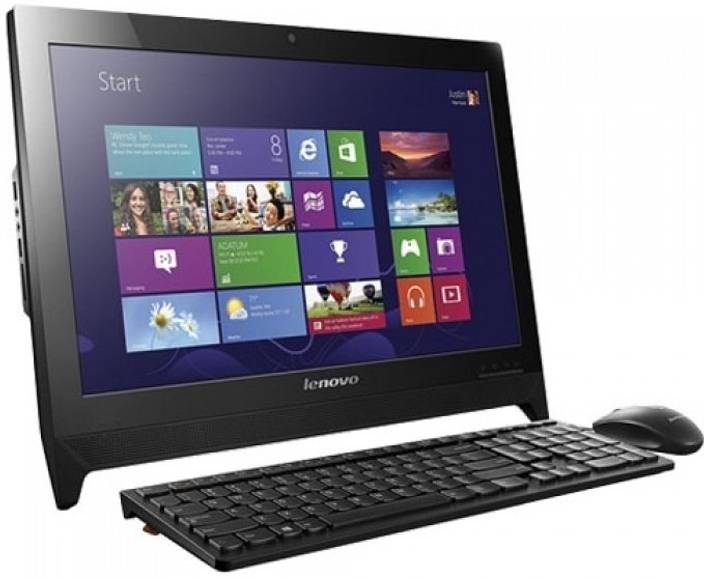
Image result for Lenovo – Pentium Quad Core/2 GB DDR3/500 GB imageA lot of users do not trust Lenovo, but you need to check out this Lenovo model at least once, as this is a total multitasker. From a 19.5 inch display to its futuristic design, this model has attracted the attention of many people. The desktop weighs like a laptop and is fiercely designed. It has a DVD writer and a resolution of 1366 x 768, which is astounding at these rates.
The Dell Inspiron 24 3000 and the Acer Aspire remain the best options for a desktop Windows 10 PC. They might be on the pricier side but are completely worth the investment. For gamers though, the HP 20 Snow White or the Acer Aspire AIO might be the best buys.


January 19, 2018

To accelerate AI training-Samsung begins producing 16GB GDDR6 memory


Doubles the power of Samsung’s previous 20nm 8GB GDDR5 memory

Samsung has started producing 16-gigabit (GB) Graphics Double Data Rate 6 (GDDR6) memory, amimed accelerating graphics processing for use in artificial intelligence and network workloads, and in automotive systems.

The South Korean technology company cites the 16GB GGRD6 as an "industry first", promising a set-up in performance over the GDDR5 meomery found in both business and consumer grade graphics cards and graphics accelerator chipsets.

The GDDR6 memory makes use of built on Samsung’s advanced 10nm class fabrication process techology, and could help accelerate artificial intelligence training, which relies of GPU parallel processing, thanks to its “advanced graphics processing”.

“By introducing next-generation GDDR6 products, we will strengthen our presence in the gaming and graphics card markets and accommodate the growing need for advanced graphics memory in automotive and network systems,” Samsung Electronics’ senior vice president of Memory Product Planning and Application Engineering, Jinman Han, said.

Also read-OnePlus 6 is confirmed, and these six things will change the flagship game forever in 2018

“With all of its improvements in density, performance and energy efficiency, the 16GB GDDR6 will be widely used in rapidly growing fields such as 8K Ultra HD video processing, virtual reality (VR), augmented reality (AR) and artificial intelligence,” the firm added.

What is likely to help accelerate future AI-driven devices is that the fresh GDDR6 memory also comes in a 16GB density, which doubles the power of Samsung’s previous 20nm 8GB GDDR5 memory. This means it will perform at an 18Gbps pin speed with data transfers of 72GBps, double the performance of the 8Gb GDDR5 chip that has a 8Gbps pin speed.

Also, because of its 10nm-class design, the 16GB GDDR6 version is also touted to bring a 30% increase in manufacturing productivity over the 20nm 8GB GDDR5 chip. And it could be that the likes of Nvidia put it to use in its Tesla and high-end graphics cards aimed at developers.

It’s not been revealed when Samsung will be releasing this chip to the wider market, but it did announce the new memory will be making its presense felt in the premium memory market within next several years. This is due to the time it can take for fresh developments to trickle down in the mainstream markets.

Also read-Best camera smartphones under Rs 15,000
January 19, 2018

OnePlus 6 is confirmed, and these six things will change the flagship game forever in 2018

There are several smartphone brands ready to take on the world by storm in 2018, but not everyone can equally succeed. Different companies have different approaches towards consumer-friendly premium devices, and OnePlus has its own unique way of delivering high-end products at a reasonable price.
The year 2017 was a great year for OnePlus, which launched not one but two flagships and then followed it up with different variants. The company managed to get huge traction for all of its devices, and OnePlus has no intention to change that in 2018.
This is the year when OnePlus, like many other companies, will upgrade its flagship product. OnePlus 5-successor, which is aptly named OnePlus 6, is going to be unveiled in the second quarter of 2018, the company's CEO Pete Lau revealed. Even though there is no precise date, it's safe to assume the launch will happen sometime around June like last year.
So, there is a long time to go. But time flies, right. So before we get to the official announcement of the OnePlus 6, there are some reasonable expectations and predictions that the new handset will require to justify "flagship killer" in 2018. We have six such things that we hope OnePlus considers for the OnePlus 6 to continue the success of its flagship line.
1. Cameras
2017 was a great year for camera phones, especially with companies like Apple and Google taking the competition to a whole new level with iPhone X and Pixel 2 smartphones. But that only makes the job tougher for other OEMs as we begin the 2018 journey. OnePlus has been consistent with camera upgrades in the past, but an aggressive approach in 2018 can go a long way for the self-claimed "flagship killer."
OnePlus 5T
OnePlus 5 and OnePlus 5T already had dual cameras, but the lack of OIS contributed to some disappointment. OnePlus must pay attention to all the details and choose the secondary sensor carefully in OnePlus 6. Moreover, if OnePlus could take inspiration from Google on AI integration in the camera, OnePlus 6 will truly be a flagship killer this year.
2. Design
We've had no complaints with OnePlus smartphones, which have always focused on user-friendliness. But that's something Apple used to do with all of its iPhones until it released the iPhone X. Everything changed, and it is now demanded from every competition OEM to bring something disruptive in order to succeed.
a close up of a cell phone on a table: OnePlus 5T Sandstone White vs Midnight Black
OnePlus 5T obtained edge-to-edge display, but the company could focus on truly bezel-less design in the OnePlus 6 to turn some heads this year. Another important change OnePlus should consider is waterproofing the upcoming flagship. It has been widely asked for, yet no OnePlus smartphone gained necessary IP-ratings. We would like to see OnePlus 6 change that.
3. Fingerprint scanner
With the rise of FullView display smartphones in late-2017, OEMs had to find a new position for fingerprint scanners. Apple did away with the fingerprint scanner in its bezel-less iPhone X instead of placing it in the back, something which most OEMs have done even though it's not ideal from a user point-of-view. Even though facial unlocking is being integrated into most phones, they're not as accurate as iPhone X's FaceID. But OnePlus might be able to do something about the fingerprint sensor if it reaches out for some help.
OnePlus 5T Sandstone White
But Vivo showcased a prototype featuring fingerprint scanner under the display. And if OnePlus considers under-screen fingerprint scanner for its OnePlus 6 considering it shares the same parent company, it'll be a massive boost for the Chinese brand. There have been rumours about such a feature, so we are hoping to see it come true.
Vivo in-display fingerprint sensor at the CES 2018.© Vivo India via Twitter Vivo in-display fingerprint sensor at the CES 2018.
4. Performance
One of the biggest reasons we recommend OnePlus smartphones, especially the 5 and 5T, is the performance bit. Packing Snapdragon 835 with 6GB or 8GB RAM made the current flagships an absolute beast. We expect the same kind of commitment from OnePlus on the successor model this year.
Early retirement can be a reality: As the world changes and life expectancy increases, most of us have started to expect to work well into our 60s and maybe even 70s. But what if you don’t want to work into your golden years? Early retirement might seem like a dream, but follow these steps to get closer to making it a reality.


It is natural the company will go with Qualcomm's Snapdragon 845, even if it packs 8 gigs of RAM under the hood. But it'll be interesting to see OnePlus utilise all the features of Snapdragon 845, such as more power efficiency, speed and optimisation.
a person using a laptop: OnePlus 5© OnePlus Forum OnePlus 5
It is possible OnePlus might consider a boost in storage in the upcoming phone, which is more than welcome. OnePlus 6 might come in 128GB and 256GB storage models considering how quickly 64GB storage finishes on phones that can record 4K or capture high-res images.
(Video provided by Times of India)
5. Wireless charging
We already discussed the change in design above, but if OnePlus manages to get glass on both sides, it'll be worth it if the company adds wireless charging capabilities to OnePlus 6. The company's Dash Charge fast charging technology is a boon to users, and only if the company could reflect such level of efficiency in wireless charging, which is yet to become a mainstream solution for most phones, there's nothing stopping the company from achieving unparalleled success.

6. Display
Finally, coming to the feature that OnePlus has long been playing smart and safe with. Maintaining consistency with screen resolutions has been accepted by consumers, but 2018 demands an upgrade. We have seen phones with up to 4K resolution and it's only fitting to see OnePlus 6 come with at least 2K or QHD screen.
a close up of a computer: OnePlus 3T as seen on OnePlus website© OnePlus OnePlus 3T as seen on OnePlus website
After seeing Apple jump the ship to OLED, more and more OEMs are likely to follow the suit. But it will shoot up the device cost, so it's something OnePlus will refrain from doing. But all the six feature upgrades will be more than enough to keep OnePlus' faithful customer base happy and welcome new buyers looking for a worthy change.
a close up of a stereo: OnePlus 5T Review

Thursday, January 18, 2018

January 18, 2018

Netflx customers-New scam is targeting towards you

The Fargo Police is warning people to be on the lookout of a new scam involving Netflix.

Netflix has more than 100 million subscribers worldwide, maybe even you. Therefore you will want to watch your email.

The new scam comes in the form of an email comes with “Payment declined” in the subject line.

There is a button to click to update credit card information. But the link takes you to the scammer's website where you are asked to enter credit card information, which will then be sold on the Dark Web.

This scam is dangerous because so many people who are receiving this email are Netflix customers. Their first response may be to click the button and provide the requested information.

But there is a safer course of action. Should you receive one of these emails, type the Netflix URL into your browser and log into your account. After you’re signed in, click on your personal icon in the upper right corner of the page, then click on "account." Then click on "update payment info."

A cyber-security firm based in Australia says the scammers are using a “brandjacking” email hoping to capture credit card information.
Tell-tale clues

A closer look at the email, however, might save you the trouble. If the email mentions that your American Express card was declined, but Netflix uses your Visa, then the email is an obvious fake.

Also note the spelling of certain words. Emails sent to customers in the U.S. should refer to the "Help Center," not the "Help Centre."

Phishing scams can take different forms. Besides directing a potential victim to a phony website, they can also contain attachments that can unleash malware, including ransomware.

Also read some exciting news of NETFLIX

Wednesday, January 17, 2018

January 17, 2018

Best camera smartphones under Rs 15,000

Best camera smartphones under Rs 15,000


Are you a photography lover looking to buy a smartphone under Rs 15,000? Here's our list of seven smartphones that you consider to buy in this price range:
  • Xiaomi Redmi 4

    7

    Xiaomi Redmi 4

    User Rating: 4.1/ 5
    Xiaomi Redmi 4 is available in three storage variants -- 2GB RAM/16GB storage, 3GB RAM/32GB storage and 4GB RAM/64GB inbuilt storage. The prices of all three variants are Rs 6,999, Rs 8,999 and Rs 10,999 respectively. For imaging duties, Xiaomi Redmi 4 has a 13MP rear camera with LED flash and f/2.0 aperture. For selfies and video calls, there is a 5MP front camera. Other specifications of the smartphone include a 5-inch HD display of 720x1280 pixel resolution. It's powered by a 1.4GHz octa-core Qualcomm Snapdragon 435 processor and has 4100mAh battery.
    Read More

    key specs

    performanceOcta coredisplay5.0" (12.7 cm)storage16 GBcamera13 MPbattery4100 mAhram2 GB
  • Samsung Galaxy J7 Nxt

    6

    Samsung Galaxy J7 Nxt

    Launched in July this year, the smartphone by Samsung bears a price tag of Rs 11,490. Samsung Galaxy J7 Nxt sports a 13MP rear camera with f/1.9 aperture and LED flash. It also comes with 5MP front facing snapper for selfies and video calls. Other specifications of the smartphone include 5.5-inch Super AMOLED HD display with 720x1280 pixel resolution. Samsung Galaxy J7 Nxt is powered by powered by a octa-core Exynos processor paired with 2GB RAM. It offers 16GB of internal storage and can hold microSD cards of up to 256GB. Samsung Galaxy J7 Nxt packs a 3000mAh battery.
    Read More

    key specs

    performanceOcta coredisplay5.5" (13.97 cm)storage16 GBcamera13 MPbattery3000 mAhram2 GB

  • Nokia 6

    5

    Nokia 6

    Critic Rating: 3/ 5
    User Rating: 4/ 5
    The Nokia 6 smartphone is priced at Rs 14,999 and was launched in India in June this year. The smartphone sports a 16MP rear camera with dual-tone LED flash, Phase Detection Autofocus and f/2.0 aperture. Along with that, it also has an 8MP selfie camera with an 84-degree wide angle lens and f/2.0 aperture. Other key features of the smartphone include a 5.5-inch full HD (1080x1920 pixels) resolution IPS LCD display and an octa-core Qualcomm Snapdragon 430 processor. The phone has 4GB RAM and comes with 64GB internal storage that can be expanded via a microSD card up to 128GB.
    Read More

    key specs

    performanceOcta coredisplay5.5" (13.97 cm)storage32 GBcamera16 MPbattery3000 mAhram3 GB

  • LG Q6

    4

    LG Q6

    Critic Rating: 3/ 5
    User Rating: 4.5/ 5
    The LG Q6 was launched in India in July this year along with the Q6 Plus and Q6a smartphones. Priced at Rs 14,990, LG Q6 comes with a single 13MP primary camera along with a 5MP front facing snapper with wide angle sensor. The smartphone comes with a 'FullVision' display with 18:9 aspect ratio much like the LG's G6 smartphone. It is powered by Qualcomm Snapdragon 435 processor coupled with 3GB RAM and runs Android 7.1.1 Nougat out-of-the- box along with the LG UX 6.0 skin on top. It offers 32GB of internal storage and has support for microSD card.
    Read More

    key specs

    performanceQuad coredisplay5.5" (13.97 cm)storage32 GBcamera13 MPbattery3000 mAhram3 GB

  • Lenovo K8 Plus
    3

    Lenovo K8 Plus

    Critic Rating: 3.5/ 5
    User Rating: 4/ 5
    The Lenovo K8 Plus was launched in India in September this year along with the Lenovo K8. Among the highlights of the Lenovo K8 Plus is its dual rear camera setup. The Lenovo K8 Plus comes with 13MP+5MP rear cameras along with F/2.0 aperture, Depth Mode, Professional Mode and more. Among the dual rear cameras, one can create the 'Bokeh' effect in images. Also, the users can change the subject focus in the foreground and background after clicking the shot from Lenovo K8 Plus' camera. The smartphone comes with 5.2-inch full HD (1080x1920 pixels) IPS display and is powered by octa-core MediaTek Helio P25 processor clocked at 2.5GHz along with 3GB RAM. It offers 32GB inbuilt storage and is backed by a 4000mAH battery.
    Read More

    key specs

    performanceOcta coredisplay5.2" (13.21 cm)storage32 GBcamera13 MPbattery4000 mAhram3 GB

  • 2Coolpad Cool Play 6

    Coolpad Cool Play 6

    Critic Rating: 2.5/ 5
    The smartphone by Coolpad was launched in August in India. Dubbed Coolpad Cool Play 6, the smartphone is priced at Rs 14,999. The smartphone comes with a dual rear camera setup with two 13MP modules. The cameras come with depth of field and monochrome functionalities. There is also an 8MP front facing snapper for selfies and video calls. Some of the modes the cameras of Coolpad Cool Play 6 come with are Panorama, long exposure and Professional mode. Other key specifications of the smartphone include 5.5-inch full HD display, 1.4GHz octa-core Snapdragon 653 processor, 6GB RAM, and 4000mAh battery.

    key specs

    performanceOcta coredisplay5.5" (13.97 cm)storage64 GBcamera13 MPbattery4000 mAhram6 GB

  • Xiaomi Mi A1

    1

    Xiaomi Mi A1

    Critic Rating: 3/ 5
    User Rating: 4.4/ 5
    Launched in September this year, Xiaomi's smartphone is priced at Rs 14,999. The Xiaomi Mi A1 sports a 12MP rear camera and a 5MP front facing snapper. The smartphone features a 5.5-inch touchscreen display and is powered by a 2GHz octa-core Qualcomm Snapdragon 625 processor coupled with 4GB RAM. Xiaomi's Mi A1 smartphone packs 64GB offers of internal storage and can hold microSD cards of up to 128GB. The smartphone runs Android 7.1.2 Nougat and packs a 3080mAh battery.

    key specs

    performanceOcta coredisplay5.5" (13.97 cm)storage64 GBcamera12 MPbattery3080 mAhram4 GB


January 17, 2018

One of the most-advanced Android malware discovered; can even 'steal' your WhatsApp messages

One of the most-advanced Android malware discovered; can even 'steal' your WhatsApp messages

Dark Space: WhatsApp In Crash Con Un Semplice Messaggiosource:GadgetsNow

LONDON: Researchers from Russian cyber security company Kaspersky Lab have found an Android spyware that has the ability to steal WhatsApp messages via Accessibility Services and connect an infected device to Wi-Fi networks controlled by cybercriminals.

Dubbed as "Skygofree", the malware is claimed to have been found on malicious websites in Italy and is most likely an offensive security product sold by an Italy-based IT company that markets various surveillance wares, Kaspersky wrote in its official blog Securelist late on Tuesday.

Kaspersky said that on the basis of the observed samples and the signatures, it found that the early versions of this Android malware were developed by the end of 2014 and the campaign has remained active ever since.
According to tech website Arstechnia, the malware has undergone continuous development since its creation with the latest version having 48 different commands.

"High-end mobile malware is very difficult to identify and block and the developers behind "Skygofree" have clearly used this to their advantage: creating and evolving an implant that can spy extensively on targets without arousing suspicion," The Telegraph quoted Alexey Firsh, Malware Analyst at Kaspersky, as saying.


The discovery is concerning because of its ability to record encrypted WhatsApp messages. It is able to do this by tricking an Android feature that was designed to help users with disabilities by making apps more accessible.

The spyware can read messages displayed on the screen through the Android Accessibility feature, including messages a victim sends on WhatsApp, Kaspersky said.
The spyware relies on several other exploits to gain privileged root access that allows it to bypass key Android security measures.


"Skygofree" is capable of taking pictures, capturing video and seizing call records, text messages, geolocation data, calendar events and business-related information stored in device memory.

It also includes the ability to automatically record conversations and noise when an infected device enters a location specified by the person operating the malware. The spyware also comes with an ability to recording Skype conversations.


January 17, 2018

HP launches 3D printers in India for Rs 2.5 crore

HP launches 3D printers in India for Rs 2.5 crore

HP Jet Fusion 3D Printingsource:GadgetsNow

NEW DELHI: Technology giant HP today launched its 3D printing solution in India, at prices starting from Rs 2.5 crore, to tap into sectors like manufacturing, education and defence.

3D printing refers to creation of a three-dimensional object in which layers of materials are formed with computers 
controlling the process.

HP's Multi Jet Fusion 3D Printing Solution will be available in India primarily through the company's specialised partners. It has signed up Imaginarium and Adroitec as the first resellers of its 3D printers for India.

"Industry 4.0 is being impacted by a range of technologies -- Internet of Things, Cloud etc. The launch of our 3D printers in India comes at a time when the government is pushing manufacturing in India and we see a lot of potential for our printers," HP India Managing Director Sumeer Chandra told .

He added that the product would be aimed at sectors like manufacturing, defence, healthcare, education and product labs as well as service bureaus that provide printing as a service.  


The price tag of Rs 2.50 crore includes pre and post processing unit, the 3D printer and initial consumables. It also includes 3-year maintenance and service contract.

Chandra explained that using 3D printing, making prototypes is faster and competitively priced with current options.


He added that these 3D printers also allow for better customisation.

According to industry reports, the global 3D printing market is expected to be worth over USD 32 billion by 2023, growing at a CAGR of more than 25 per cent between 2017 and 2023.

The reports attribute the growth to factors like ease of development of customised products, ability to reduce overall manufacturing costs, and government investments in the 3D printing projects for the development and deployment of the technology.

As per a 6Wresearch, the Indian 3D printer market is expected to cross USD 79 million by 2021, with automotive applications accounting for the biggest chunk of business.


Currently, the printers use plastic as raw material. However, HP has announced its intent to use metal and colours for the 3D printers in future.
January 17, 2018

YouTubers, Google has a new plan for you

YouTubers, Google has a new plan for you

source:GadgetsNow

SAN FRANCISCO: YouTube on Tuesday announced ramped-up rules regarding when it will run ads with videos as it scrambled to quell concerns by brands about being paired with troublesome content.

"There's no denying 2017 was a difficult year, with several issues affecting our community and our advertising partners," YouTube vice president of display, video and analytics Paul Muret said in a blog post.  

"The challenges we faced in 2017 have helped us make tough but necessary changes in 2018."

Channels at YouTube will need to have at least 1,000 subscribers and 4,000 hours of watch time within the past year to be eligible for ads, according to Muret.

Previously, channels could be eligible for ads as part of a YouTube Partner Program by racking up 10,000 views or more.

"We want to take channel size, audience engagement, and creator behavior into consideration to determine eligibility for ads," Muret said.

YouTube will closely watch for spam, abuse flags and other signals to make sure channels are remaining within the Google-owned video-sharing platforms policies regarding content, according to the post.

Muret said that manual reviews of video will be added to a Google Preferred system that brands use to place ads with popular YouTube content to better vet videos. 

YouTube is also providing advertisers simpler controls regarding where ads appear and transparency including safety checks by outside parties, according to Muret.

The changes were expected to affect "a significant number" of YouTube channels eligible to run ads.


YouTube late last year pulled 150,000 videos of children after lewd comments about them were posted by viewers and went public with a vow to greatly increase the ranks of workers focused on rooting out content violating its policies.

The moves came as YouTube strived to assure companies their ads would not appear with offensive or inappropriate videos.

"We are passionate about protecting our users, advertisers and creators and making sure YouTube is not a place that can be co-opted by bad actors," Muret said.

"While we took several steps last year to protect advertisers from inappropriate content, we know we need to do more to ensure that their ads run alongside content that reflects their values."


January 17, 2018

Make Calendar Events Inside Gmail With Pod


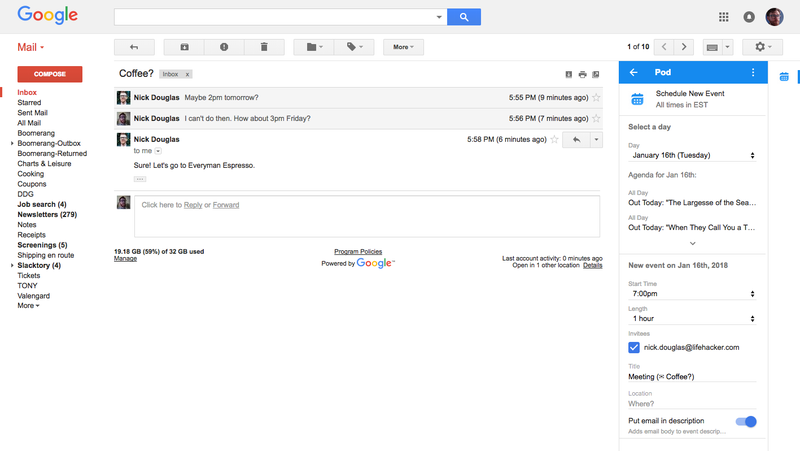
Gmail and Google Calendar integration is an embarrassment. Gmail can never recognize all the crucial event info, and to fix it, you have to open up Google Calendar in a new tab, defeating the purpose. Thankfully there are third-party fixes, like Pod for Gmail, which recognizes event info and loads it into a full calendar event right inside your Gmail window.

Pod’s intro post demonstrates a perfect use case, but Pod for Gmail didn’t always work well for me. It created one event easily, but as soon as I ran more demos to get the screencap above, it started screwing up. Still, Pod loaded up my existing schedule in the right rail, and I was able to enter all the event info while having the email handy. So even in its failure state, Pod makes the transfer from email to calendar less stressful, and less error-prone.

The add-on comes from the makers of Pod, a calendar app for iOS. I’m always wary of apps that promise to “rethink” concepts like contacts, calendars, and messaging—I’ve been burned by too many ambitious apps—but I love anything that reduces friction between the three.

Also read- CES 2018 wrap-up: Alexa continues its smart home dominance